
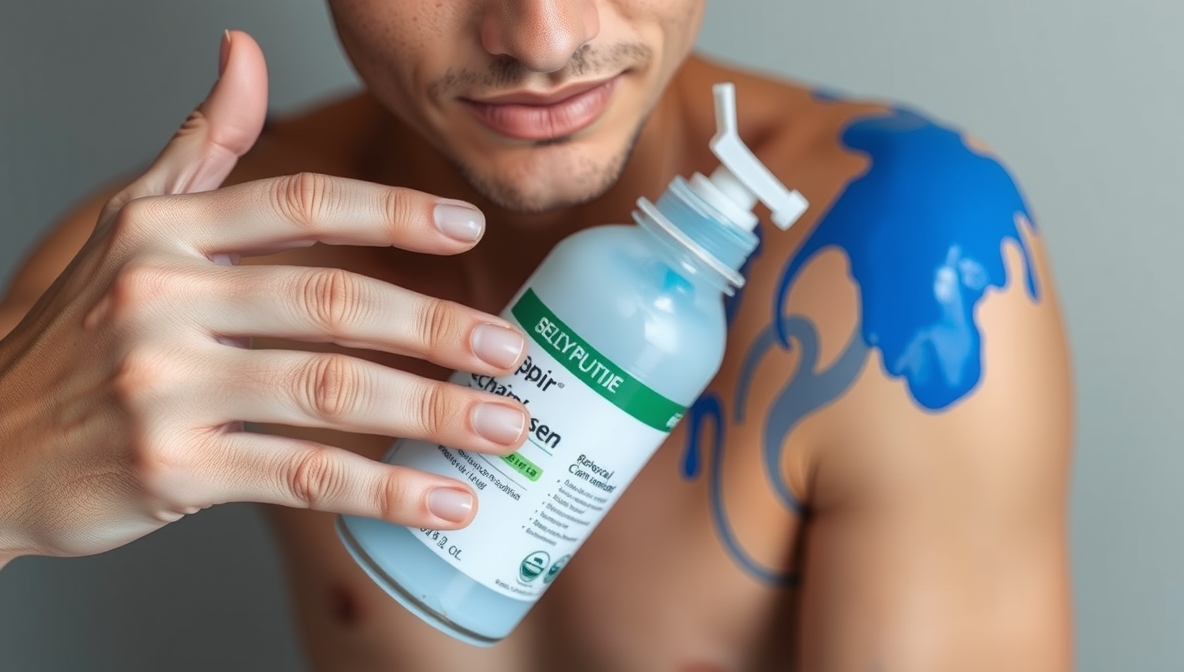
Spray paint makes every DIY project quick and fun. But sometimes it ends up on your skin. The colorful stains can feel sticky and hard to remove. You might try soap and water, but the paint stays. Don’t worry—there are simple and safe ways to clean it off without hurting your skin.
This guide explains how to remove spray paint step by step. Every method uses gentle ingredients you may already have at home. You’ll also learn how to care for your skin afterward and how to prevent paint stains next time.
Why Spray Paint Sticks to Skin
Spray paint dries fast and sticks strongly to most surfaces. That includes skin. It contains strong pigments and binding oils that resist water. Once it dries, it forms a thin, plastic-like layer that doesn’t wash away easily.
Oil-based spray paints are the hardest to remove. They repel water and bond tightly to skin oils. Acrylic paints are a bit easier but still need something stronger than soap. Knowing your paint type helps you choose the right cleaning method.
Step-by-Step: How to Remove Spray Paint from Skin
Start with gentle options first. If the paint doesn’t come off, move to stronger ones slowly. Always stay patient and kind to your skin.
1. Wash with Warm Water and Soap
This is the first and simplest step. It works best if the paint is still fresh.
Steps:
-
Fill a bowl or sink with warm—not hot—water.
-
Add a few drops of mild soap or dishwashing liquid.
-
Soak the painted area for about 5 to 10 minutes.
-
Rub gently with your hands or a soft cloth.
-
Rinse and repeat if needed.
Warm water helps soften the paint. The soap breaks down oils, making it easier to wash away before it fully dries.
2. Use Olive Oil or Coconut Oil
Oil can dissolve oil. That’s why this trick works well for removing spray paint. It’s gentle, natural, and safe for almost everyone.
Steps:
-
Pour a small amount of olive oil or coconut oil onto your skin.
-
Rub it in small circles for two to three minutes.
-
Let it sit for five minutes.
-
Wipe it off with a dry towel.
-
Wash your hands with soap and warm water.
The oil breaks the bond between paint and skin, so the paint starts lifting off easily. You can repeat this once more for stubborn spots.
Tip: Add a little sugar or salt to the oil for a soft scrub that removes dry paint faster.
3. Try Baking Soda and Dish Soap
This natural mix removes dried paint gently. It cleans well without scratching your skin.
Steps:
-
Mix equal parts baking soda and dish soap in a small bowl.
-
Stir until you get a smooth paste.
-
Rub the paste onto the painted area.
-
Massage it gently for two minutes.
-
Rinse with warm water and pat dry.
-
Apply lotion afterward.
This combo works great because baking soda scrubs, while dish soap breaks down paint oils. Together, they lift dried paint safely.
4. Use Baby Oil or Mineral Oil
Baby oil and mineral oil work like olive oil but feel lighter on the skin. They are perfect for delicate or sensitive skin.
Steps:
-
Apply oil to the painted spot.
-
Rub gently with your fingers for two to three minutes.
-
Let it rest for about five minutes.
-
Wipe away the loosened paint.
-
Rinse with soap and warm water.
This method works best for acrylic-based paints and small patches of color.
5. Try Nail Polish Remover for Tough Paint
Some spray paints are stubborn, especially oil-based ones. Nail polish remover with acetone can help—but use it with care. Acetone can dry the skin fast.
Steps:
-
Soak a cotton ball with nail polish remover.
-
Rub the stained area gently.
-
Stop as soon as the paint begins to lift.
-
Wash right away with soap and water.
-
Apply lotion or moisturizer.
Never use acetone on your face, neck, or large skin areas. It’s only for small spots that don’t react to oil or soap.
6. Use Hand Sanitizer or Rubbing Alcohol
This is useful for small paint spots or quick cleaning outdoors. The alcohol in sanitizer helps dissolve the paint layer.
Steps:
-
Apply a bit of sanitizer or rubbing alcohol on the area.
-
Rub gently for about 30 seconds.
-
Wait one minute.
-
Wipe off with a damp cloth.
-
Wash again with soap and warm water.
Alcohol removes light or medium paint stains fast. Just moisturize afterward to prevent dryness.
7. Make a Natural Sugar Scrub
This works great for removing paint from fingers or small skin areas. It’s gentle and leaves your hands soft.
Steps:
-
Mix two tablespoons of sugar with one tablespoon of olive oil.
-
Add a few drops of lemon juice.
-
Rub the mix over the painted skin.
-
Massage in small circles for two minutes.
-
Rinse with warm water and dry your hands.
-
Use moisturizer after cleaning.
The sugar removes flakes of paint while the lemon and oil loosen the color.
Important Tips for Safe Cleaning
-
Be patient. Don’t rub too hard.
-
Use soft cloths or cotton pads instead of rough sponges.
-
Avoid mixing strong chemicals.
-
Moisturize your skin after every cleaning method.
-
Test strong products like acetone or alcohol on a small area first.
These habits keep your skin healthy while you remove paint safely.
What Not to Use
Some cleaners remove paint but harm the skin badly. Skip these dangerous products:
-
Paint thinner
-
Gasoline
-
Kerosene
-
Bleach
-
Rough scrubbing pads or sandpaper
-
Strong industrial cleaners
These can cause burns, redness, or peeling. Always choose skin-safe options.
How to Clean Different Areas of Skin
Face and Neck
Use only gentle oils like coconut, olive, or baby oil. Avoid alcohol or acetone near eyes, mouth, or sensitive skin. Rub lightly and wash right after.
Hands and Arms
Start with soap and water. If the paint doesn’t come off, try baking soda and dish soap or a bit of oil. Use stronger products only for tiny spots.
Legs and Feet
The skin here is tougher, so a mild scrub or oil mix works well. Avoid very hot water or rough brushes.
Caring for Skin After Cleaning
After removing paint, your skin may feel dry or tight. Give it a little care.
-
Apply a gentle moisturizer, aloe vera gel, or body lotion.
-
Drink plenty of water to keep skin soft.
-
Avoid reapplying paint for a day if possible.
-
Use gloves next time you paint to protect your hands.
Healthy skin recovers fast when treated gently.
How to Stop Spray Paint from Sticking Next Time
Cleaning spray paint can be annoying, so prevention is the best trick.
-
Wear disposable gloves. Nitrile gloves work best.
-
Apply a thin layer of petroleum jelly or lotion before painting.
-
Wear long sleeves to protect your arms.
-
Paint outdoors or in a ventilated area.
These simple habits reduce skin contact and make cleanup easier later.
Mistakes to Avoid
Many people try shortcuts that hurt the skin or make things worse. Here are a few to avoid:
-
Scrubbing too hard and peeling the skin.
-
Using gasoline, thinner, or bleach.
-
Forgetting to moisturize afterward.
-
Trying to clean a large area with acetone.
-
Using metal scrapers or harsh pads.
Gentle steps work better than aggressive methods.
FAQs About Removing Spray Paint from Skin
1. How long does it take to remove spray paint?
Fresh paint comes off in 10 to 20 minutes. Dried paint may need two or three tries, but patience helps.
2. Can vinegar remove spray paint?
Yes. Soak a cotton ball in white vinegar and rub gently. It softens paint, especially water-based kinds. Wash afterward.
3. Is nail polish remover safe for everyone?
Not always. Acetone may irritate sensitive skin. Always test first before using on large areas.
4. Do baby wipes work?
They can remove light, fresh paint but not dried or thick layers.
5. What if paint doesn’t come off after several tries?
Stop and rest your skin. Apply moisturizer and try again later with an oil-based method. If the skin gets red or painful, see a doctor.
6. Can spray paint harm the skin?
Short contact is usually harmless. Long exposure can cause dryness or irritation. Avoid painting directly on your skin for designs or tattoos.
7. Does toothpaste help?
Yes, toothpaste with baking soda acts as a mild scrub. Rub it gently and rinse off well.
8. What should I do if paint gets in my eyes or mouth?
Rinse with clean water right away and don’t try to clean it with oils or chemicals. Visit a doctor if irritation continues.
Conclusion
Spray paint can stick fast but comes off safely with the right methods. Soap, oils, and baking soda are your best friends. Harsh chemicals are never worth the risk. Take your time, stay gentle, and always moisturize afterward.
Protecting your skin before painting saves trouble later. A simple pair of gloves or a little oil barrier can keep your hands clean and healthy. With these easy tricks, you can finish every painting project without worrying about stains.