

Use warm soaks, gentle exfoliation, and rich moisturizers to lift dead foot skin.
If you want to know how to remove dead skin from feet the right way, you are in the right place. I have helped hundreds of clients fix cracked heels, thick calluses, and rough soles.
This guide explains how to remove dead skin from feet with safe methods, proven products, and a simple routine you can keep for life.

Understanding why dead skin builds up on feet
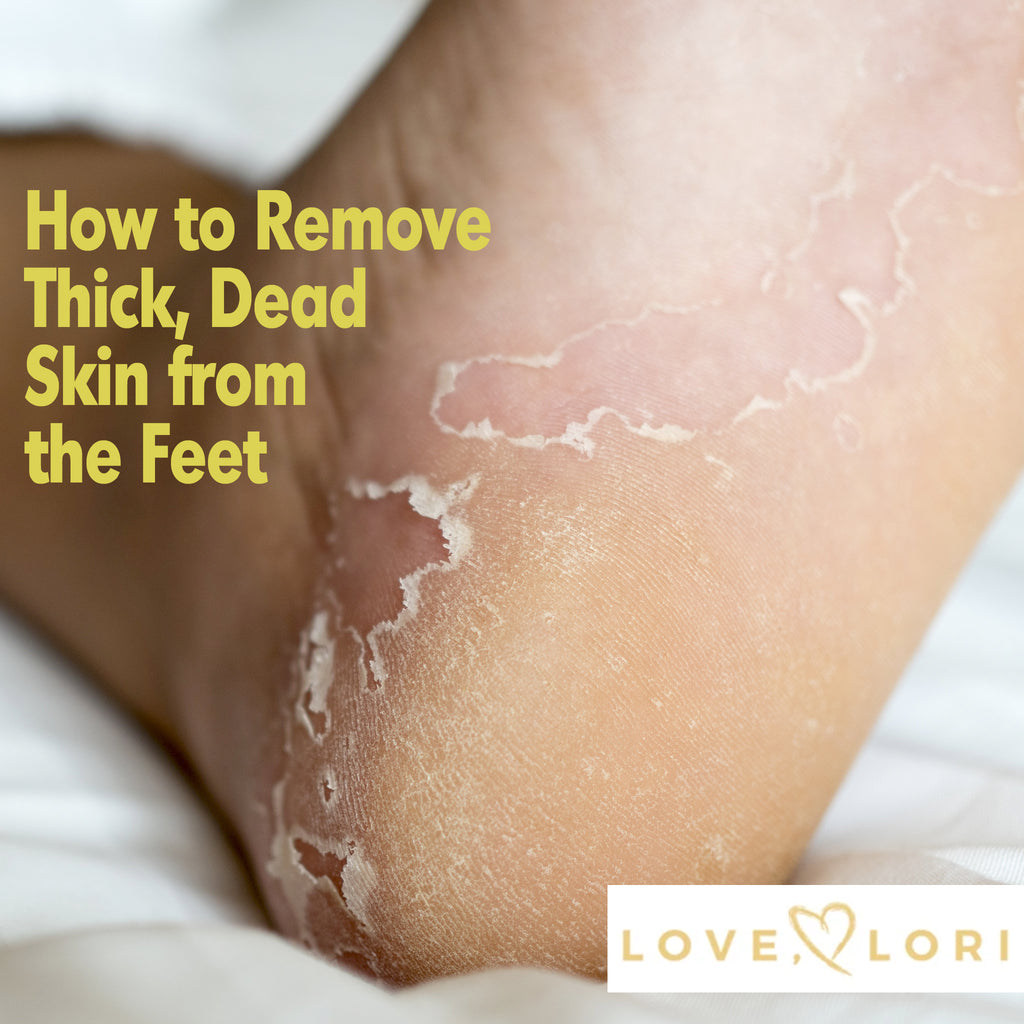
Feet work hard. Pressure and friction trigger the skin to thicken for protection. Dry air, hot showers, and open shoes make the problem worse.
Tight shoes and long hours on your feet can drive callus growth. Certain issues, like athlete’s foot, eczema, or psoriasis, also add to scaling. Aging skin holds less water, so it flakes more.
In my practice, runners and teachers often ask how to remove dead skin from feet that crack each week. A few small changes plus steady care make a big shift fast.

Safety first: who should not do home removal
Do not self-treat if you have diabetes, neuropathy, poor circulation, or immune issues. See a podiatrist for a plan tailored to you. Skip DIY if you have open sores, bleeding cracks, or signs of infection.
Avoid sharp blades and razors at home. They raise the risk of injury and infection. If you still wonder how to remove dead skin from feet with a lot of pain, stop and get medical help.
:max_bytes(150000):strip_icc()/coping-with-dry-cracked-feet-1337642-v2-31bdcd9cec7b452b84ab626bc566c433.png)
Tools and ingredients that work
You do not need a spa to get results. A few safe tools and proven actives do the job.
- Large bowl or foot tub Warm water helps soften thick skin fast.
- Gentle cleanser or mild soap Keeps the soak clean and skin friendly.
- Epsom salt Optional for comfort and to reduce swelling.
- Pumice stone or fine foot file For light, controlled exfoliation.
- Soft towel Pat dry without rubbing hard.
- Urea cream 20 to 40 percent dissolves thickened skin over time.
- Lactic acid 5 to 12 percent boosts moisture and smooths flakes.
- Salicylic acid up to 2 percent targets callus build up on small areas.
- Thick moisturizer Petrolatum, glycerin, shea butter, or ceramides lock in water.
- Cotton socks Help hold moisture in after treatment.
- Optional electric file Choose a gentle model and the lowest speed.
- Foot peel masks Use sparingly and follow directions exactly.
Dermatology guidance supports urea 20 to 40 percent for thick calluses. Lactic acid helps with dryness and texture. Salicylic acid softens dense areas, but use only on small spots.
Step-by-step: how to remove dead skin from feet at home
Here is how to remove dead skin from feet with a clear plan you can trust.
- Soak 10 to 15 minutes. Use warm water, not hot. Add a small amount of mild soap or Epsom salt. A splash of white vinegar in a large bowl can help if you have odor or mild peeling.
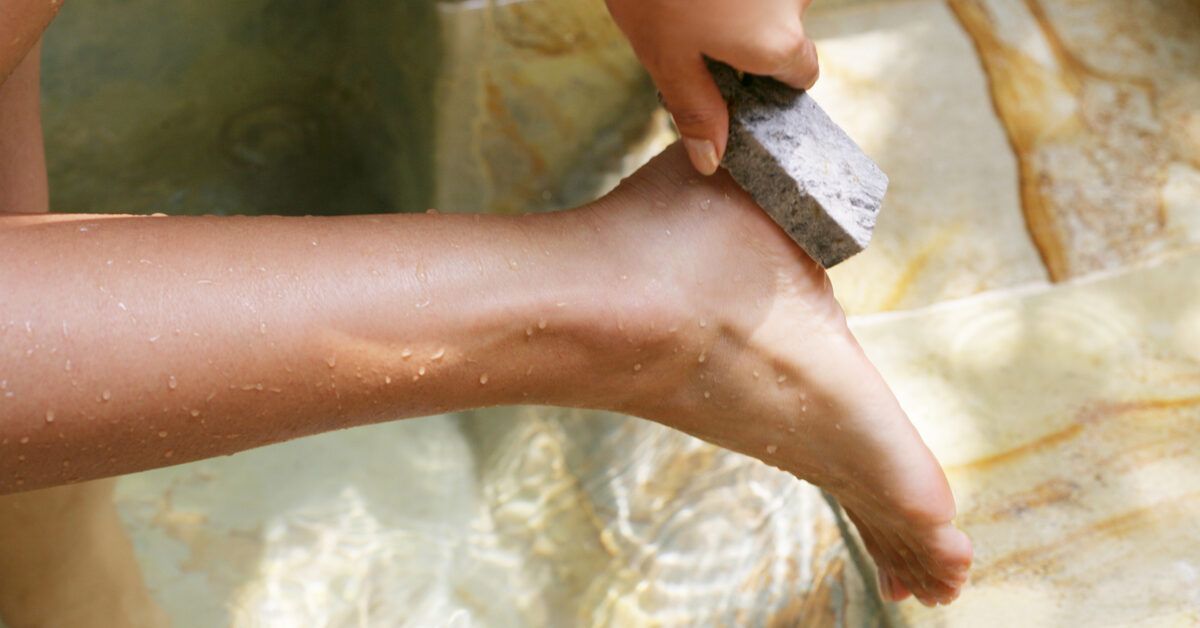
- Exfoliate gently. While skin is damp, use a pumice stone or fine foot file. Move in one direction with light pressure for 60 to 90 seconds per spot. Stop if skin feels sore or pink.
- Rinse and pat dry. Do not rub hard. Check the skin. If it looks even and smooth, you did enough for today.
- Apply a softening treatment. Use urea 20 to 40 percent on thick heels or calluses. For general roughness, use lactic acid 10 to 12 percent. Use salicylic acid 2 percent only on small, tough areas and avoid healthy skin.
- Seal with a rich moisturizer. Layer petrolatum or a thick heel balm over your treatment. Put on cotton socks to boost absorption overnight.
- Repeat on a schedule. Do gentle filing one to two times per week. Use your urea or lactic acid daily until smooth, then three to five nights per week for upkeep.
- Optional weekly mask. If you use a foot peel mask, do it every four to six weeks at most. Expect peeling for five to seven days. Do not pull the skin; let it shed on its own.
Clients often ask how to remove dead skin from feet fast. The best results come from steady care, not force. Gentle steps win every time.

Routine care: keep feet smooth every week
Daily care keeps results. It takes two minutes.
- After a shower, pat feet dry. Apply urea 10 percent or a thick moisturizer.
- Two evenings per week, do a short soak and a light pumice pass.
- At night, seal heels with petrolatum and socks if skin is very dry.
- Swap tight shoes for cushioned pairs when you can.
If you need a simple plan for how to remove dead skin from feet without damage, this is it. Think small steps, done often.
Prevention: habits that stop dead skin from coming back
The right habits cut down on friction and dryness. Less friction means less callus.
- Wear shoes that fit well. Use cushioned insoles if you stand all day.
- Choose moisture wicking socks. Change them if they get damp.
- Keep showers warm, not hot. Hot water strips skin oils.
- Drink water and use a humidifier in dry months.
- Do not walk barefoot on rough floors. Use house shoes or soft socks.
Many readers search how to remove dead skin from feet each season. Prevention makes the next season easier.
Special situations and skin conditions
Athlete’s foot can cause peeling and itch. Use an over the counter antifungal cream for two to four weeks and keep feet dry. Treat the fungus before extra exfoliation.
Cracked heels with deep splits may need liquid bandage and 40 percent urea under occlusion for a few nights. If cracks bleed or hurt, see a clinician. If you are pregnant or nursing, choose mild moisturizers and avoid peels unless your doctor approves.
Eczema or psoriasis on feet needs gentle care. Use fragrance free products and avoid over filing. Ask a dermatologist if you are unsure how to remove dead skin from feet when rashes are active.

Common mistakes to avoid
Over filing makes skin sore and triggers thicker regrowth. Keep it gentle and brief. Never use a razor or callus shaver at home.
Do not mix strong acids on the same day. Patch test new products. Do not skip moisturizer after water exposure.
When people ask how to remove dead skin from feet without setbacks, this is the key. Less force, more consistency.

When to see a podiatrist
Get help if you have pain when you walk, deep cracks, bleeding, pus, or fever. Seek care if numbness, tingling, or color changes appear. Book a visit if home care fails after four weeks.
If you are still unsure how to remove dead skin from feet safely, a podiatrist can set a plan for you. A short visit can save months of trial and error.
Frequently Asked Questions of how to remove dead skin from feet
What is the best home method to remove dead skin from feet?
Do a warm soak, a gentle pumice pass, and apply urea cream. This is the safest way for most people and gives steady results.
How often should I exfoliate if I want smooth heels?
One to two times per week is enough for most. Daily filing can irritate skin and make calluses rebound.
Are foot peel masks safe for everyone?
They are not ideal for sensitive skin, pregnancy, diabetes, or open cracks. If you try one, follow directions and avoid picking the peeling skin.
Can I use a razor to remove dead skin from feet?
No. Razors and sharp blades raise the risk of cuts and infection. Use a pumice stone or fine foot file instead.
Which cream works best for thick calluses?
Urea 20 to 40 percent breaks down hard skin well. Lactic acid helps with general dryness and texture.
Do Epsom salt soaks help?
They can relax sore feet and soften skin a bit. The soak makes filing easier, but the moisturizer does most of the lasting work.
How long before I see results?
You can feel smoother skin after one session. Deep calluses usually improve over two to four weeks of steady care.
Conclusion
Smooth, healthy feet come from simple steps done well. Soak, exfoliate with care, treat with urea or lactic acid, and seal with rich moisture. Protect your gains with good shoes and a short weekly routine.
Start tonight with a 10 minute soak and one minute of gentle filing. You will feel a difference by morning. If this guide helped, share it, subscribe for more practical skin care tips, or leave a question so I can help you choose the right routine.