

Use sunscreen, gentle exfoliation, proven actives, and patience for realistic brightening.
If you want to know how to lighten skin safely, you need a clear plan, not random hacks. I’ve helped many clients even their tone, fade dark spots, and boost glow without damage. This guide breaks down how to lighten skin step by step, backed by dermatology best practices and real-world results. Read on to learn what works, what harms, and how to build a routine you can trust.
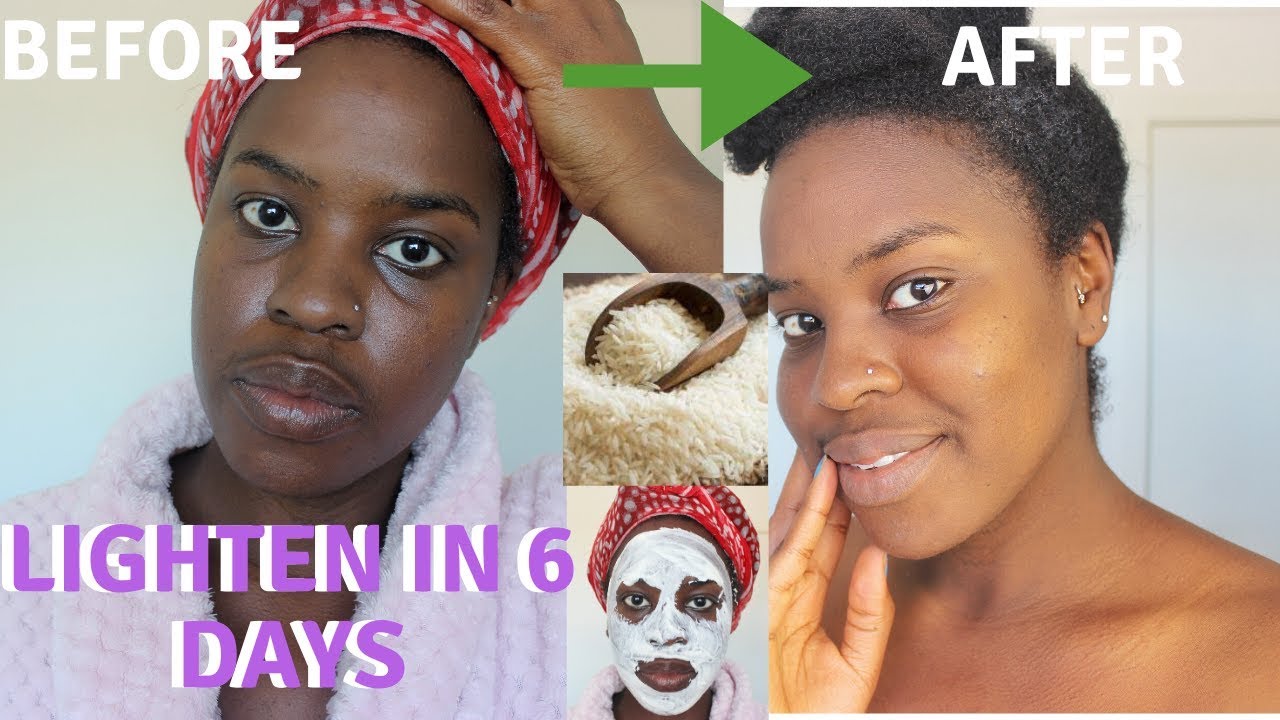
How skin color works: melanin, tone, and why spots happen
Your skin color comes from melanin. Cells called melanocytes make melanin to protect you from light. Sun, heat, hormones, and irritation can push these cells to make more.
Dark spots form after acne, rashes, or bites. This is post‑inflammatory hyperpigmentation. Melasma shows as patches from hormones and sun. When you learn how to lighten skin, you must target melanin steps and triggers. You also need steady sun care to keep gains.
Key points:
- You cannot change your natural base tone by a lot.
- You can even tone and fade spots with safe methods.
- Expect slow, steady results over weeks, not days.

Safety first: what to avoid when trying to lighten skin
Before you test how to lighten skin, protect your barrier. Damage delays results and can make spots worse.
Avoid these:
- Mercury creams or soaps. These are toxic and illegal in many places.
- High‑potency steroids for the face without a doctor. These can thin skin and rebound pigment.
- High‑strength hydroquinone without guidance or for long use.
- DIY bleach, hydrogen peroxide, or hair developer on skin.
- Harsh scrubs, lemon juice, baking soda, or undiluted oils on spots.
Smart rules:
- Patch test every new product for 48 hours on the inner arm.
- Treat irritation fast with a simple moisturizer and stop actives.
- Do not mix many new actives at once. Add one at a time.

Sunscreen is the base of every brightening plan
If you ask how to lighten skin and keep it light, the answer starts with SPF. UV and visible light trigger extra pigment. Daily sunscreen stops new spots and guards your progress.
What to use:
- Broad‑spectrum SPF 30 or higher, PA++++ if possible.
- Two finger lengths for face; three for face and neck.
- Reapply every two hours outdoors, and after sweat or swim.
- Pick a lightweight gel for oily skin or a cream for dry skin.
- Tinted mineral SPF can help block visible light that worsens melasma.
Pro tip from my practice: clients who reapply SPF see faster fading, even with basic routines.

Proven ingredients that help lighten dark spots and even tone
When you study how to lighten skin, look for actives with clinical support. Start slow, and keep use steady.
Vitamin C (ascorbic acid or stable forms)
- Benefits: brightens, fights free radicals, helps SPF.
- Use: 10–20% in serum, AM use under sunscreen.
- Tip: if stingy, try a gentle derivative like sodium ascorbyl phosphate.
Niacinamide
- Benefits: reduces pigment transfer, calms redness, supports barrier.
- Use: 4–5% once or twice daily.
- Pairs well with many actives; ideal for beginners.
Azelaic acid
- Benefits: targets spots, calms acne, safe for sensitive skin.
- Use: 10% over the counter, 15–20% by prescription.
- Great for post‑acne marks and rosacea‑prone skin.
Alpha arbutin
- Benefits: slows pigment steps, gentle profile.
- Use: 1–2%, once or twice daily.
- Works well paired with vitamin C or niacinamide.
Kojic acid
- Benefits: blocks tyrosinase, helps melasma.
- Use: 1–2% leave‑on, a few nights per week to start.
- Watch for dryness; buffer with moisturizer.
AHAs (glycolic, lactic, mandelic)
- Benefits: smooths texture, speeds cell turnover, boosts glow.
- Use: low strength (5–10%) 2–3 nights a week.
- Mandelic is best for darker and sensitive skin.
Retinoids (retinol, adapalene, tretinoin)
- Benefits: boosts turnover, smooths tone, aids collagen over time.
- Use: start 1–2 nights a week, increase as tolerated.
- Always pair with sunscreen; buffer with moisturizer.
Licorice extract and tranexamic acid
- Benefits: good add‑ons for melasma and diffuse tone.
- Use: serums with 2–5% licorice; tranexamic acid 2–5% topicals at night.
Evidence notes: clinical reviews support niacinamide 2–5%, azelaic acid 15–20%, and retinoids for hyperpigmentation. Tranexamic acid shows promise for melasma in topical and doctor‑guided forms.
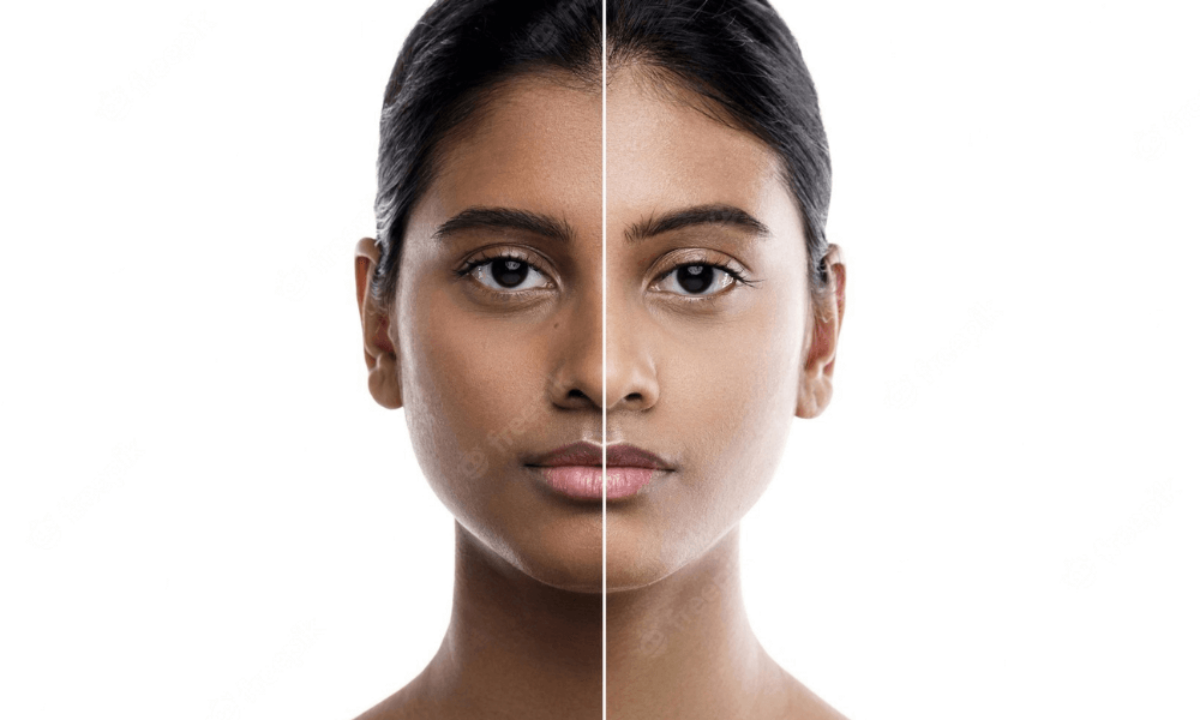
Simple routines for different skin types
If your goal is how to lighten skin without harm, keep routines simple and steady.
Oily or acne‑prone
AM
- Gentle foaming cleanse
- Niacinamide or vitamin C
- Lightweight gel moisturizer
- Broad‑spectrum SPF 50
PM
- Cleanse
- Azelaic acid or adapalene
- Non‑comedogenic moisturizer
Dry or mature
AM
- Creamy cleanse or rinse only
- Vitamin C or licorice serum
- Ceramide moisturizer
- SPF 30–50
PM
- Creamy cleanse
- Retinol 2–3 nights weekly
- Lactic acid toner 1–2 nights weekly
- Rich moisturizer
Sensitive
AM
- Very mild cleanse
- Niacinamide serum
- Hypoallergenic moisturizer
- Mineral SPF
PM
- Cleanse
- Azelaic acid 10% or nothing on alternate nights
- Barrier cream
Deeper skin tones
- Favor mandelic or lactic acid over strong glycolic.
- Go slow with retinoids and peels to avoid new dark marks.
- Tinted SPF helps block visible light.

Professional treatments that can speed results
For stubborn spots, a clinic plan can help. Ask a board‑certified pro how to lighten skin in your case and match the device and depth to your tone.
Options:
- Superficial chemical peels: lactic, mandelic, glycolic, or salicylic reduce dullness and marks.
- Microneedling: helps texture; with tranexamic acid can aid spots.
- Lasers and light: QS Nd:YAG or pico lasers for pigment; best in skilled hands for darker tones.
- Prescription topicals: hydroquinone 2–4% in short cycles, tretinoin, or azelaic 15–20%.
Risks: irritation, rebound pigment, and post‑inflammatory darkening if overdone. I see best outcomes with gentle peels, strict SPF, and slow, spaced sessions.

Lifestyle, diet, and habits that support bright skin
Learning how to lighten skin is not only about products. Daily choices matter.
Helpful habits:
- Manage sun and heat. Shade, hats, and SPF help more than any serum.
- Do not pick pimples. Use pimple patches to block touching.
- Reduce friction. Be gentle with razors, wax, and scrubs.
- Sleep well and manage stress. Stress can flare acne and melasma.
- Eat a balanced plate: fruits, greens, lean protein, healthy fats, and enough water.
I ask clients to log triggers. Heat from workouts or cooking can darken melasma. A cool towel and reapplying tinted SPF helps a lot.

Home remedies: what works and what to skip
People often search how to lighten skin with home fixes. Some are fine. Many are not.
Safe helpers:
- Aloe gel: soothes and may calm redness.
- Green tea compress: gentle antioxidant boost.
- Colloidal oatmeal mask: eases irritation.
- Yogurt and oat paste: mild lactic acid, short wear time only, then moisturize.
Skip these:
- Lemon, lime, or apple cider vinegar. They burn and stain with sun.
- Baking soda or toothpaste. They disrupt pH and barrier.
- Undiluted essential oils. High risk of dermatitis and spots.
Rule: if it stings or peels, stop. Barrier damage slows all brightening.

Dark spots vs overall tone: set the right goal
How to lighten skin can mean two things: fade spots or brighten all over. Tactics differ.
For dark spots:
- Use spot serums with azelaic, arbutin, kojic, or retinoids.
- Dab on the spot, not the whole face, once daily to start.
- Expect 8–12 weeks for clear change.
For overall brightening:
- Use vitamin C by day and a retinoid or AHA by night.
- Keep SPF tight. Small daily wins beat harsh quick fixes.
- Aim for even, healthy skin, not an unnatural shade shift.
Tracking progress, timelines, and when to see a dermatologist
A key step in how to lighten skin is tracking results.
Do this:
- Take photos every two weeks in the same light and angle.
- Note products, sun time, and any flares in a simple log.
- Expect slow gains by week four, clearer change by week eight.
See a pro if:
- You have melasma, sudden patches, or gray‑blue spots.
- Spots do not budge after 12 weeks of solid care.
- You get burning, peeling, or new dark marks.
In my clinic, patience and protection always beat harsh peels and quick fixes. Most clients reach an even glow by month three to four with a calm plan.
Frequently Asked Questions of how to lighten skin
Is it possible to change my natural skin color?
You cannot safely change your base tone by a lot. You can even tone, fade spots, and boost radiance with safe steps.
How long does it take to see results?
Most people see small gains in four to six weeks. Clear, stable results often show by eight to twelve weeks with daily SPF and steady actives.
Which ingredient should I start with?
Start with niacinamide or vitamin C if you are new. Add azelaic acid or a mild AHA later if your skin stays calm.
Can I use multiple brightening products at once?
Yes, but add one at a time and go slow. Layer lightest to thickest and watch for dryness or sting.
Do I need sunscreen indoors?
Yes, UVA passes through windows and screens. Wear SPF daily and reapply if you sit by windows or use devices for long hours.
Is hydroquinone safe?
It can help when guided by a doctor and used in short cycles. Avoid long, unsupervised use to prevent rebound or irritation.
What helps with melasma specifically?
Sun and heat control come first. Add gentle actives like azelaic, tranexamic, and tinted mineral SPF, and consider pro care if needed.
Conclusion
A safe plan for lighter, brighter skin is simple: protect daily, use proven actives, and give it time. When you focus on how to lighten skin with care, you avoid damage and keep your glow.
Start with SPF and one brightening serum this week, track progress, and adjust as you learn what your skin loves. Ready to take the next step? Put together your three‑step routine today, subscribe for more skin guides, and share your questions so I can help you refine your plan.
1 thought on “How to Lighten Skin Naturally: Tips, Remedies & Expert Advice”