

You cannot change your genetic skin color, but you can brighten and even tone safely.
If you want clear, bright, even skin, you are in the right place. I will explain how to get white skin in a safe, science-based way. I have helped clients fade spots, fix dullness, and protect skin long term. Read on for a plan that works and respects your health.

What “white skin” really means: science, safety, and ethics
Skin color comes from melanin. Your genes set your base tone for life. No cream can rewrite that. Safe care can lighten tan, fade spots, and smooth tone.
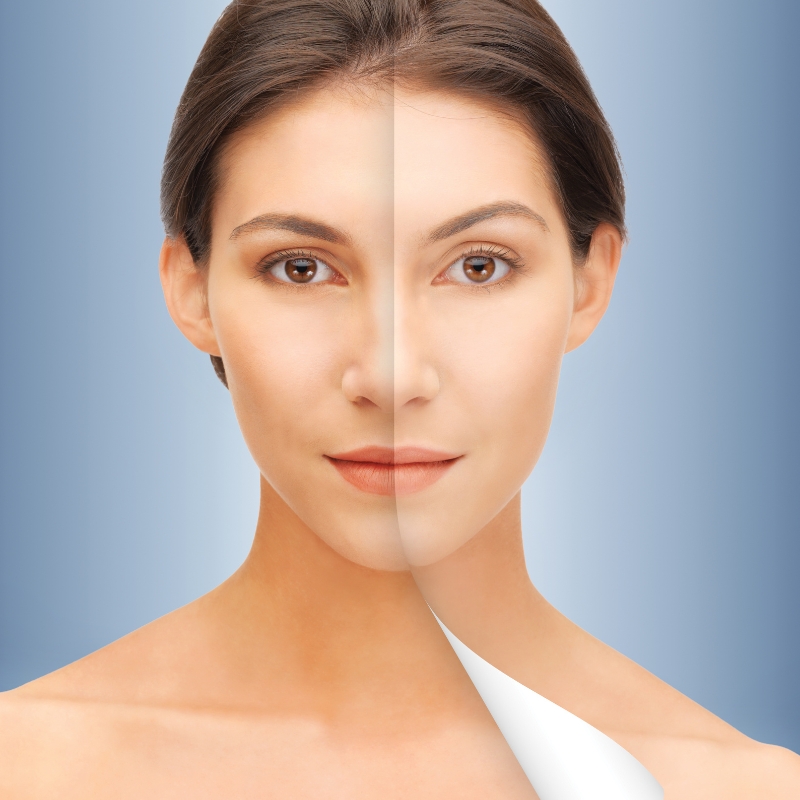
When people ask how to get white skin, they often want a bright, even look. That is a smart goal. It means less discoloration and less sun damage. It means glow, not bleach.
Colorism is real in many places. Your worth is not tied to shade. My advice aims at skin health first. Bright skin is healthy skin, not bleached skin. If you hold this frame, your results will last.

A simple, safe daily routine to look brighter and even-toned
Here is a routine I use with clients. It is easy and works with most skin.
Morning
- Cleanser: Use a gentle gel or cream.
- Antioxidant: Vitamin C 10–20% or a 3-O-ethyl-ascorbic serum.
- Support: Niacinamide 4–5% to reduce spots and oil.
- Sunscreen: Broad-spectrum SPF 50. Use a quarter teaspoon for face. Reapply.
Night
- Cleanser: Gentle again.
- Treat: Choose one. Azelaic acid 15–20%. Or arbutin 1–2%. Or a retinoid.
- Moisturizer: Ceramides and glycerin to protect your barrier.
Weekly
- Exfoliate once or twice per week. Use lactic acid 5–10% or mandelic acid 5–10%.
- Patch test new products for 48 hours.
This routine is the core of how to get white skin safely. It builds a bright base that lasts.

Power ingredients that work (and ones to avoid)
Proven brighteners with good safety
- Vitamin C: Fades spots and boosts glow. Look for 10–20% L-ascorbic acid or stable forms if you are sensitive.
- Niacinamide: At 4–5%, it reduces dark spots and redness. It is very gentle.
- Azelaic acid: At 15–20%, it targets acne marks and melasma. Great for sensitive skin.
- Arbutin: At 1–2%, it slows pigment. Works well with vitamin C.
- Kojic acid: At 1%, it can help, but may irritate. Start slow.
- Licorice extract: Calms skin and fades marks. Good for daily use.
- Retinoids: Tretinoin or retinal speeds cell turnover. Use at night and start low.
Use with care and guidance
- Hydroquinone 2–4%: It works on stubborn spots. Use only short term and with a clinician. Pause after 8–12 weeks.
- Chemical peels: Glycolic, salicylic, lactic, or TCA should be done by pros for deeper issues.
- Lasers and IPL: Can help certain marks. Choose an expert who knows your skin type.
Avoid completely
- Mercury creams: Unsafe and illegal in many places. They damage nerves and kidneys.
- High-dose glutathione injections: Risks are not worth it. Evidence is weak.
- Topical steroids for bleaching: They thin the skin and cause rebound darkening.
These tools form a safe plan for how to get white skin without harm. Think slow and steady, not fast and risky.
Sun protection: the non-negotiable step for any how to get white skin plan
UV rays trigger more pigment. UVA even comes through glass. This is why sunscreen is your best brightening product.
What to do daily
- Use SPF 50, broad-spectrum, every morning.
- Reapply every two hours outdoors, or after sweat.
- Use enough. Most people use one third of what they need.
- Add extras. Wear hats, UPF shirts, and sunglasses.
- Use tinted sunscreen with iron oxides if you have melasma. It helps block visible light.
If you skip sunscreen, you undo all your work. No serum can fix that. Sunscreen is step one in how to get white skin.

Habits that boost glow from within
Skin reflects your daily habits. Small changes add up fast.
- Sleep 7–9 hours. Skin repairs at night.
- Manage stress. Stress hormones can flare acne and spots.
- Eat color. Fruits, greens, lean protein, and omega-3s support repair.
- Stay hydrated. Aim for steady water intake all day.
- Quit smoking. It dulls skin and slows healing.
- Limit alcohol. It dehydrates and can inflame.
- Do not pick at spots. Picking causes more marks.
These habits support how to get white skin the healthy way. They also help your whole body.

Professional treatments: when to see a dermatologist
Some pigment needs expert care. A pro can match treatment to your skin and your goals.
Good options
- Chemical peels: Light glycolic or salicylic peels reduce dullness and acne marks.
- Lasers: Q-switched or picosecond lasers can target spots. Darker skin needs extra care.
- Microneedling: Helps texture and tone. Often paired with tranexamic acid.
- Prescription topicals: Tretinoin or hydroquinone plans with close follow-up.
- Oral or topical tranexamic acid: Can help melasma. Needs medical review.
Always ask about risks, downtime, and cost. Patch test if needed. The right expert makes how to get white skin safer and faster.
A 12-week action plan for even tone
Follow this plan to track progress and avoid overload.
Weeks 1–2
- Start sunscreen SPF 50 daily.
- Add vitamin C in the morning.
- Add a gentle moisturizer.
Weeks 3–4
- Add niacinamide in the morning or night.
- Exfoliate once a week.
Weeks 5–6
- Add azelaic acid at night, three times a week.
- Take clear photos in the same light to track changes.
Weeks 7–8
- Increase azelaic acid to most nights if skin allows.
- Exfoliate twice a week if needed.
Weeks 9–10
- Spot treat with arbutin or kojic acid on marks.
- Book a pro consult if melasma or deep spots remain.
Weeks 11–12
- Adjust based on results.
- Keep sunscreen strong. This is key for how to get white skin over time.
Stop and simplify if you feel stinging, burning, or peeling that does not settle. Barrier first, always.

Common mistakes to avoid on the how to get white skin journey
- Skipping sunscreen: This is the number one reason plans fail.
- Over-exfoliating: Redness and irritation can cause more dark marks.
- Mixing too many actives: Start slow. Add one new item every 2–3 weeks.
- Buying unknown “bleaching” creams: Many contain mercury or steroids.
- Expecting overnight change: Pigment takes time to fade.
- Ignoring acne: Treat breakouts to prevent new marks.
These fixes keep your plan safe, simple, and strong.
Frequently Asked Questions of how to get white skin
Can I change my natural skin color to white?
No. Your genes set your base color. You can brighten and even your tone safely with care and sun protection.
How long does it take to see results?
Most people see a glow in 2–4 weeks. Dark marks often need 8–12 weeks and steady sunscreen.
Is hydroquinone safe for how to get white skin?
It can help stubborn spots under medical care. Use short term, follow a plan, and protect from the sun.
Do home remedies like lemon juice work?
Lemon can irritate and burn skin. Use proven ingredients like vitamin C or azelaic acid instead.
What SPF should I use if I want brighter skin?
Use broad-spectrum SPF 50 every day. Reapply during the day, especially if you are outside.
Are glutathione injections effective for skin whitening?
Evidence is weak and risks exist. It is not a safe or reliable way to brighten skin.
Can darker skin types use acids and retinoids?
Yes, with care. Start low, go slow, and keep sunscreen strong to prevent irritation and darkening.
Conclusion
You cannot change your natural shade, but you can build clear, bright, even skin. Focus on sunscreen, proven brighteners, gentle exfoliation, and smart habits. Skip harsh bleaches and quick fixes.
Start today with one step. Put on SPF 50, then add a simple serum. Track your progress every month. If you want more guidance, subscribe for updates, ask a question, or share your routine in the comments.