

Act fast: wipe uncured foam, use acetone, then wash and moisturize.
If spray foam stuck to your skin, you’re not alone. I’ve dealt with it on job sites and at home. In this guide on how to remove spray foam from skin, I’ll show safe, proven steps that actually work. You’ll learn what to do for fresh spills, what to do when it has cured, and how to protect your skin next time.

What spray foam does to your skin
Spray foam is usually moisture-curing polyurethane. It sticks hard because it bonds to oils and tiny grooves in your skin. Uncured foam is gummy and easier to remove. Cured foam becomes tough and resists most solvents.
This is why the best way for how to remove spray foam from skin depends on time. The sooner you act, the simpler it is. If it’s cured, patience and gentle methods protect your skin.

Quick actions for fresh, uncured foam
Time matters. Uncured foam can be lifted before it hardens. Follow these steps right away.
- Stay calm and keep the foam from spreading. Touch it with tools, not fingers.
- Wipe off the bulk with disposable paper towels or a plastic scraper.
- Use acetone or a foam cleaner on a clean cloth. Dab, lift, and replace cloth spots often.
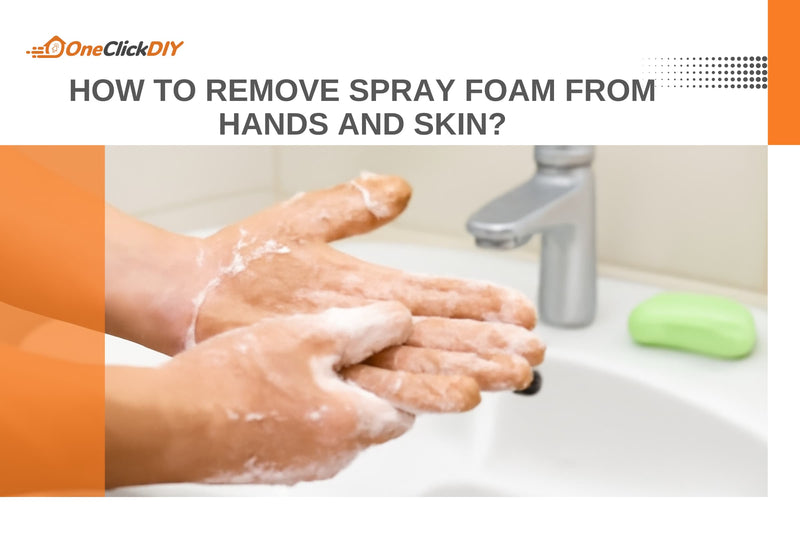
- Wash with warm water and mild soap for 30–60 seconds.
- Moisturize with a rich lotion or petroleum jelly to restore your skin barrier.
Tips that help in the first five minutes:
- Baby wipes are great for quick cleanup when acetone is not handy.
- Nail polish remover with acetone works in a pinch.
- Change cloths often so you do not smear foam around.
Safety notes:
- Use acetone only on small areas of intact skin. It is drying and very flammable.
- Keep acetone away from eyes, mouth, and open cuts.
- Do not use acetone on children’s skin. Use oil and soap instead.
These steps are the simplest path for how to remove spray foam from skin before it cures.

Removing cured spray foam from skin
Once cured, foam will not dissolve with standard solvents. It must be loosened and worn down. Go slow to protect your skin.
Step-by-step method:
- Soften: Soak the area in warm, soapy water for 10–15 minutes.
- Oil up: Massage with olive oil, coconut oil, or petroleum jelly.
- Gently lift: Use a plastic card or your fingernail to nudge edges. Do not dig.
- Exfoliate: Use a pumice stone or a soft nail brush in circles. Keep skin wet and oiled.
- Repeat: Alternate soak, oil, and light exfoliation over the day.
- Let it slough: Any thin residue will shed naturally in 1–3 days as skin renews.
Helpful add-ons:
- A sugar-and-oil scrub is gentle and works well on hands.
- Epsom salt in warm water eases tightness and helps lift edges.
- Overnight petroleum jelly under cotton gloves softens residue.
This is the most skin-safe way for how to remove spray foam from skin after it hardens. It takes patience, but it works without damage.
Special cases: face, hair, nails, and kids
Face and sensitive skin:
- Avoid acetone on the face, neck, and armpits. Use oil, then warm soapy water.
- If foam is near the eyes or lips, do not pick. Rinse and seek urgent care if it touches the eye.
Hair and beard:
- Let it cure fully. Then coat the area with conditioner or oil.
- Gently comb from tips to roots with a wide-tooth comb.
- If it will not budge or is near the scalp, consider trimming a tiny section.
Nails and cuticles:
- For fresh foam, use acetone on a cotton pad, then wash and moisturize.
- For cured foam under nails, soak, oil, and use a soft nail brush.
Children:
- No harsh solvents. Use oil, warm soapy water, and patience.
- If the area is large or the child is distressed, call a doctor.
These tweaks make how to remove spray foam from skin safer across tricky spots.

What not to do
- Do not use harsh scrapers or metal blades. They can cut skin and cause infection.
- Do not soak large skin areas in acetone or mineral spirits.
- Do not heat the foam or use open flames. Solvents are flammable.
- Do not peel large sheets fast. You can tear skin and worsen irritation.
Avoiding these errors is part of smart practice for how to remove spray foam from skin.

Aftercare and skin recovery
Your skin barrier needs care after cleanup. Keep it simple and soothing.
- Wash with a mild, fragrance-free cleanser.
- Apply a thick moisturizer or petroleum jelly twice daily for 2–3 days.
- Use a hydrating hand cream after every wash.
- If redness or burning persists beyond 24 hours, consult a clinician.
These steps support healing and help prevent dryness or contact dermatitis. They also reduce any lingering itch from cured residue. This phase still matters in how to remove spray foam from skin the right way.

Prevention tips for next time
A minute of prep prevents hours of cleanup.
- Wear nitrile gloves and change them if foam gets on them.
- Cover arms with long sleeves and tape glove cuffs to sleeves.
- Apply a thin layer of petroleum jelly to exposed wrists before you start.
- Keep acetone or foam cleaner, paper towels, and baby wipes within reach.
- Use a disposable drop cloth and aim the nozzle away when starting the bead.
- Practice on scrap before you foam in tight spots.
Following these reduces the need to worry about how to remove spray foam from skin in the future.

Frequently Asked Questions of how to remove spray foam from skin
Is acetone safe for removing spray foam from skin?
Acetone is effective on uncured foam in small areas. Use sparingly, avoid the face, and moisturize right after.
How long does cured spray foam take to come off skin naturally?
Thin residue usually sheds in 1–3 days. Thick patches may take up to a week with soaking and gentle exfoliation.
Can I use vinegar or rubbing alcohol?
Rubbing alcohol and vinegar do not work well on cured foam. They may help a bit on uncured foam, but acetone or oil is better.
What if spray foam gets in my eye or mouth?
Rinse with clean water for 15 minutes and seek urgent medical care. Do not try solvents near eyes or inside the mouth.
Will mineral spirits remove spray foam from skin?
Mineral spirits can help with fresh foam but are harsh and not great for skin. Oil, warm water, and soap are safer choices.
Can I prevent foam from sticking to my hands at all?
Wear nitrile gloves and apply a barrier cream or petroleum jelly to exposed skin. Keep cleanup tools close and change gloves if contaminated.
Is it okay to peel off big cured pieces quickly?
No. Rapid peeling can tear skin. Soften with oil and water, then lift slowly at the edges.
Conclusion
Getting spray foam on your skin is annoying, but you can handle it. For fresh spills, wipe fast, use acetone, then wash and moisturize. For cured foam, soak, oil, and gently exfoliate over time. With simple tools and patience, how to remove spray foam from skin becomes a safe, repeatable routine.
Keep a small cleanup kit on hand, wear gloves, and prep your space before you spray. Try these steps today, and share your results or questions in the comments. Want more practical DIY skin-safe tips? Subscribe for new guides each week.