

Use oil, not harsh solvents: soften tar, gently wipe, then wash.
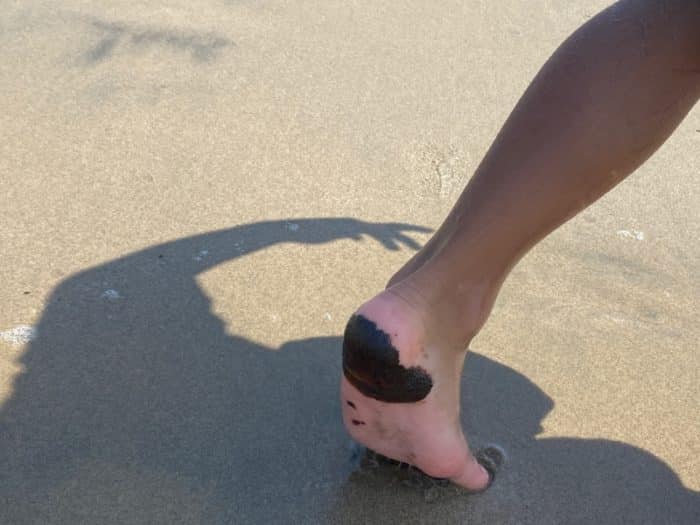
If you’re stuck wondering how to remove tar off skin without damage, you’re in the right place. I’ve helped roofers, cyclists, and beachgoers handle stubborn tar safely. This guide shows how to remove tar off skin step by step, why it works, and when to seek help—so you can act fast with confidence.

Quick Safety Check Before You Start
Hot tar can burn. Cold tar can irritate. Stop and scan for risk first.
Check for these red flags:
- The tar is hot, smoking, or caused a burn.
- The tar is near the eyes, mouth, or genitals.
- The tar covers a large area or a child’s skin.
- You feel severe pain, numbness, or see blisters.
If any apply, cool the area with cool running water for 20 minutes. Do not pull off stuck tar. Seek urgent care. For most small spots, the steps below explain how to remove tar off skin at home, safely.

Step-by-Step: How to Remove Tar Off Skin
Follow these steps slowly. Rushing causes skin damage.
- Cool and set. If tar is warm, cool the area under gently running cool water for 10 to 20 minutes. Cold hardens tar and reduces pain.
- Do not rip. Do not yank or scrape hard. You can tear skin and worsen injury.
- Soften with oil. Soak a cotton pad with baby oil, mineral oil, olive oil, or petroleum jelly. Hold it on the tar for 2 to 5 minutes.
- Wipe gently. Use small circles. Replace pads as they load with tar. Reapply oil until the tar lifts.
- Use a soft edge. If needed, use a plastic card edge to nudge tar. Keep the skin oily as you do this.
- Wash the area. Use lukewarm water and a mild soap. Rinse well. Pat dry.
- Moisturize. Apply a fragrance-free moisturizer or petroleum jelly to calm the skin.
- Repeat if needed. Stubborn spots may need a second round later. Let the skin rest between tries.
These steps are the safest way for how to remove tar off skin at home. They work on road tar, roofing tar, and pine tar.

What Works Best: Tested Removers and Why They Work
Tar is sticky because it is hydrophobic. Oil dissolves oil. That is why these help.
Best options for skin:
- Mineral oil or baby oil. Gentle, cheap, and very effective.
- Petroleum jelly. Great for spot soaking. Works slowly but is safe.
- Cooking oils. Olive, coconut, or canola oil work in a pinch.
- Medical adhesive remover. Skin-safe products dissolve sticky residues well.
- Citrus-based removers with d-limonene. They can help. Patch test first.
Use with care:
- Isopropyl alcohol. Works on tiny spots. Can dry skin. Moisturize after.
Avoid on skin:
- Gasoline, kerosene, paint thinner, or acetone. These can burn skin and be toxic. They are not safe for how to remove tar off skin.
Special Cases: Hair, Sensitive Areas, and Kids
Hair and scalp:
- Saturate the tar with a thick layer of conditioner or oil.
- Work with your fingers or a wide-tooth comb.
- Be patient. Rinse and repeat. Do not cut hair unless needed.
Sensitive areas:
- Use extra petroleum jelly or mineral oil.
- Avoid strong citrus removers here.
- If irritation starts, stop and call a clinician.
Kids:
- Use baby oil or petroleum jelly only.
- Keep sessions short. Reward breaks.
- If the child is upset or the area is large, seek care.
Nails:
- Soak fingers in warm soapy water with oil added.
- Use a soft toothbrush to lift tar at the edges.
These gentle methods fit how to remove tar off skin when areas are delicate.

Dealing With Hot Tar Burns and Blisters
Hot tar sticks and traps heat. That can cause deep burns.
Do this first:
- Cool the area under cool running water for 20 minutes. This limits tissue damage.
- Do not peel tar off burned skin. Cover with clean plastic wrap or a non-stick dressing.
Get urgent care if:
- The burn blisters, is charred, or is larger than your palm.
- The tar is on the face, hands, feet, genitals, or over a joint.
- Pain is severe or you see signs of infection later.
Clinicians have sterile solvents, safe dressings, and burn care tools. This is the safest route for how to remove tar off skin after a hot tar injury.

Aftercare: Soothe Skin and Prevent Irritation
Tar removal can leave skin dry or red. Help it heal.
- Rinse with lukewarm water and a gentle cleanser.
- Pat dry. Do not rub.
- Moisturize twice daily with a simple, fragrance-free cream.
- Avoid sun on the area for 48 hours. Use sunscreen once healed.
- Watch for swelling, warmth, pus, or fever. Seek care if these appear.
Good aftercare is part of how to remove tar off skin without lingering irritation.

Prevention: Stay Tar-Safe Next Time
A little prep saves a lot of pain.
Gear up:
- Nitrile gloves and long sleeves.
- Safety glasses if splatter is possible.
- Old clothes or a disposable sleeve.
Barrier and cleanup:
- Apply a thin layer of petroleum jelly to exposed skin before the job.
- Keep baby oil, cotton pads, and a mild soap nearby.
- Clean small spots right away before tar sets.
Smart habits:
- Work in shade when you can. Heat softens tar and increases risk.
- Keep a small “tar kit” in the car or toolbox.
These habits make how to remove tar off skin fast and stress-free.

Real-World Tips From The Field
I once helped a roofer with road tar up to his forearms. Gasoline had been his go-to. His skin was cracked and sore. We switched to mineral oil soaks, gentle wiping, then a mild wash. In 15 minutes, most tar was gone. His skin felt normal the next day.
Lessons learned:
- Oil first, always. It is safer and works better.
- Patience beats force. Slow circles lift tar with less damage.
- Moisturize early. Skin recovers faster.
- Never use fuel on skin. It trades speed for harm.
These simple rules define how to remove tar off skin the right way.

Frequently Asked Questions of how to remove tar off skin
What is the quickest safe method to remove tar?
Use baby oil or mineral oil to soak the tar, then wipe gently. Wash with mild soap and warm water, and moisturize.
Can I use gasoline or paint thinner to remove tar?
No. These can burn the skin and be absorbed, which can be harmful. Use skin-safe oils or medical adhesive removers instead.
How do I remove tar from a child’s skin?
Use petroleum jelly or baby oil with soft cotton pads. Keep sessions short, and see a clinician if the area is large or the skin is irritated.
What if the tar is in my hair or eyebrows?
Saturate with conditioner or oil, then comb slowly. Rinse and repeat until it slides out.
When should I see a doctor for tar on skin?
Seek care for hot tar burns, blisters, large areas, or tar near the eyes or genitals. Also get help if you notice infection signs like warmth, pus, or fever.
Conclusion
You can handle most tar spots at home with patience, oil, and gentle washing. Avoid harsh solvents, watch for burn signs, and give your skin a little aftercare. Put together a simple tar kit so you are ready next time, and share these steps with a friend.
If you found this helpful, subscribe for more practical skin fixes and safety tips.